
Storm in Marvel Rivals: My 2026 Guide to Weather Control and Wins
Storm in Marvel Rivals is a deceptive Duelist: use weather control, Thunder/Tornado tempo, and Omega Hurricane zoning to dominate fights.
I have been running Storm in Marvel Rivals through the 2026 season, and she still feels like one of the most deceptive picks in NetEase's hero shooter. She is filed under Duelist, yet her kit plays like a hybrid: she can pierce barriers, boost allies, and turn a crowded objective into a storm cell. The catch is that she is fragile, so the players who get the most from her are the ones who resist the urge to fly solo.
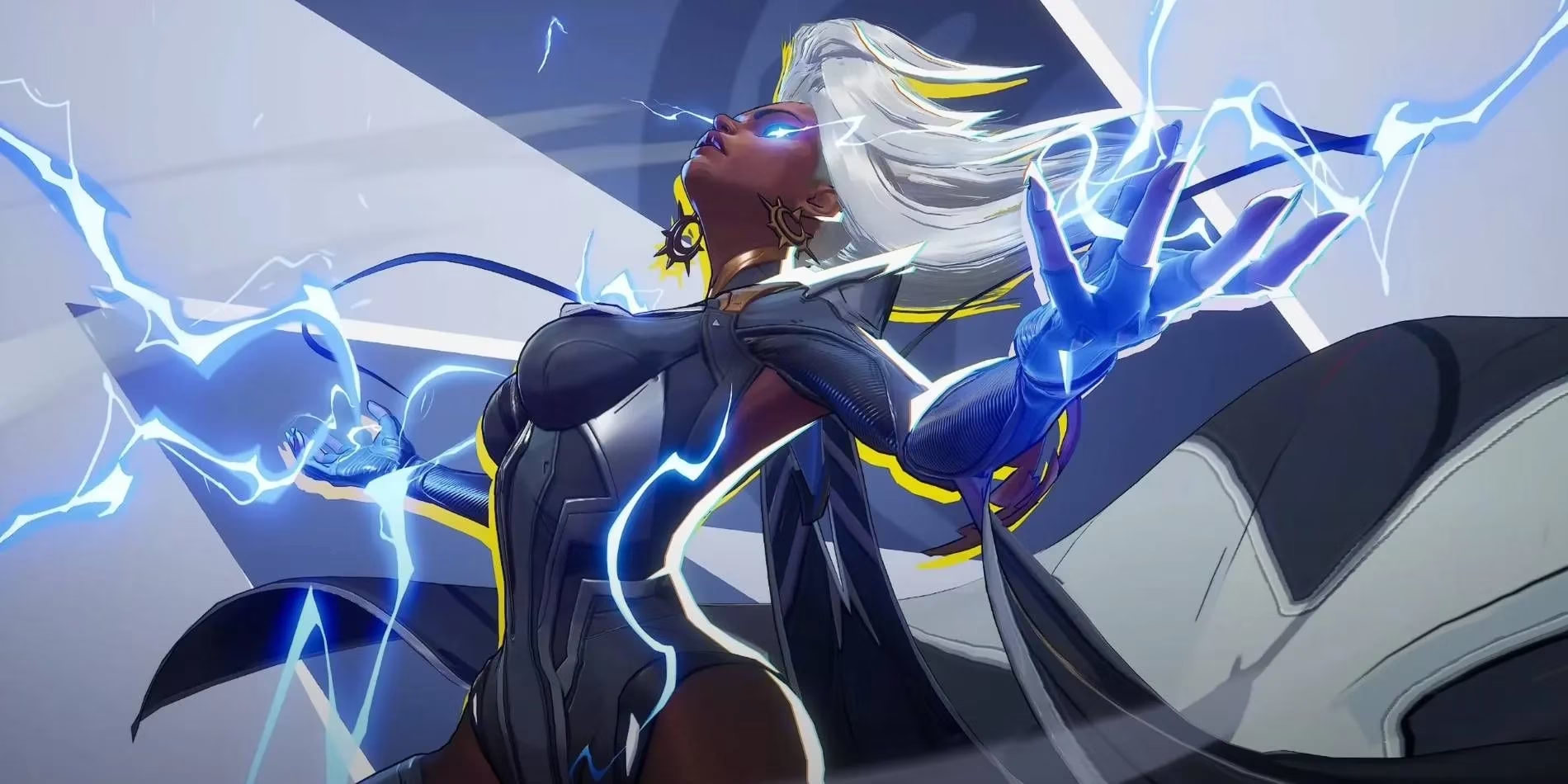
My first rule with Storm is simple: altitude is a tool, not a lifestyle. Unlike Iron Man, I do not want to live in the sky. Storm's weather aura is a circle of wind around her, and it shrinks the higher she climbs. The blue number in the center of my screen tells me how many allies are inside that circle; the red number counts enemies. I use those numbers like a dashboard. If the blue is low, I drift back toward my team. If the red is high, I look for a Thunder or Tornado window that can change the fight.
How I Use Storm's Weather Control
Storm's primary attack is more useful than it looks because it pierces barriers. Against Vanguards such as Doctor Strange and Groot, I do not need to wait for the shield to break. I can chip the target behind it and force a healer to spend resources early. That pressure is especially valuable when an enemy Strategist tries to hide behind a tank's barrier.
| Tool | What it does | How I use it |
|---|---|---|
| Wind Blades | Primary fire | I keep pressure on shielded targets and finish low-health enemies. |
| Bolt Rush | Burst option | I weave it into fights when I need extra damage before swapping weather. |
| Thunder | Damage boost | I switch to Thunder when my team is ready to burn a tank or win a close duel. |
| Tornado | Movement boost | I switch to Tornado when we need to rotate, contest a point, or chase a pick. |
| Omega Hurricane | Ultimate | I use it from cover to zone enemies and finish isolated targets. |
| Charged Gale | Thor team-up | I trigger the lightning barrage when Thor is on my team and the cooldown is ready. |
The hard part is not memorizing the abilities. It is reading the moment. Thunder and Tornado are not fire-and-forget buttons; they are tempo switches. If my team is already winning the damage trade, Thunder can snowball it. If we are late to the objective, Tornado can erase that mistake. I try to switch before the fight starts, not after someone is already dead.
Omega Hurricane Is a Zoning Tool First
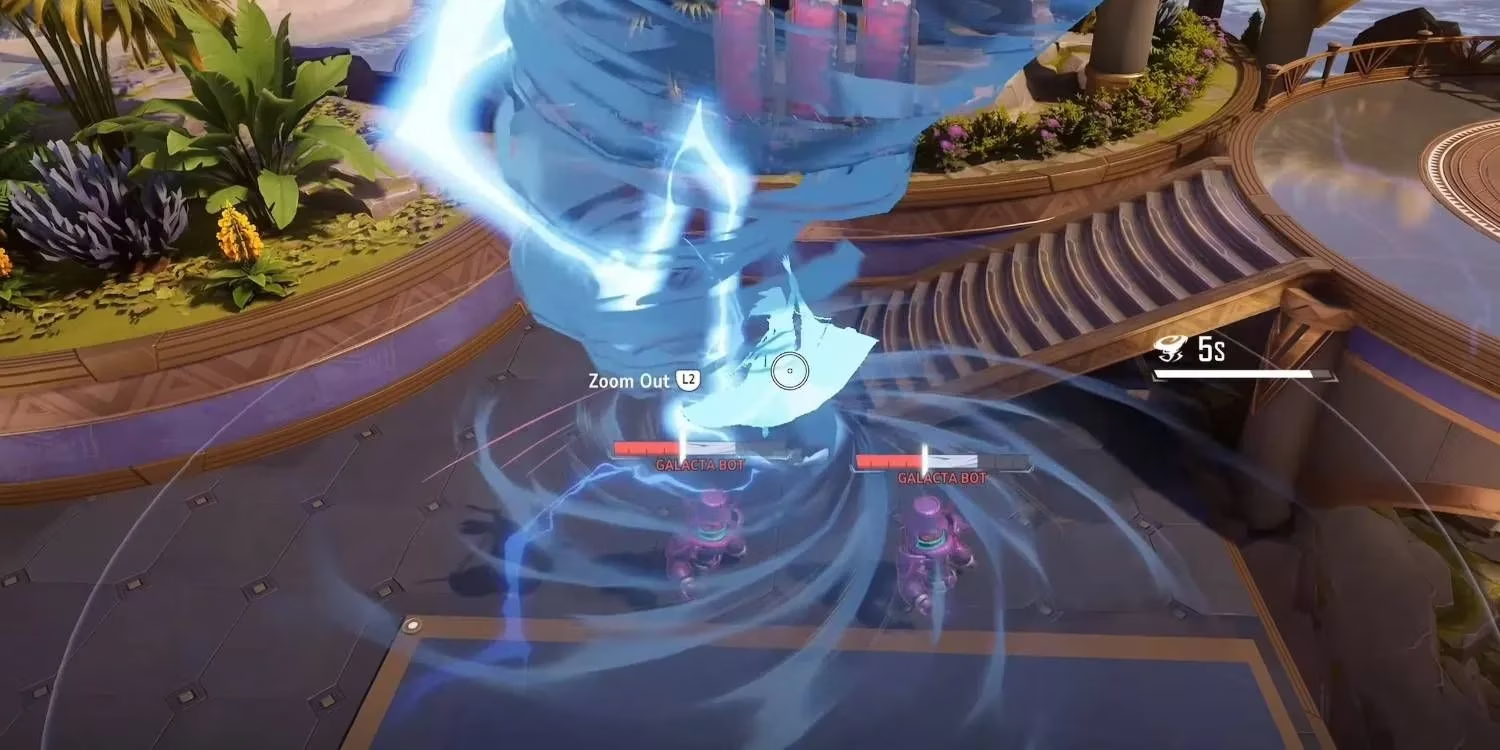
Omega Hurricane is powerful, but I treat it as a zoning tool before I treat it as a kill button. The charge-up is the danger. Storm takes a few seconds to gather the weather, and an alert enemy team can punish me if I activate it in the open. I have been stunned out of the wind-up more than once, and that mistake usually costs the fight.
My habit now is to start the Ultimate behind a building, behind a Vanguard, or around a corner where the enemy cannot see the animation. Once the charge completes, I vanish, so the risk is front-loaded. During the brief window before the hurricane lands, I zoom out and drag the radius toward the largest cluster of enemies. I am looking for low-health targets, isolated duelists, and chokepoints where the enemy team has to stand together. I do not expect the Ultimate to delete a full-health team by itself. I expect it to force movement, break formation, and create clean-up kills for my allies.
The counterplay is real. Fast healing Ultimates can blunt the damage, and a team that spreads early can deny the best radius. That is why I like to pair Omega Hurricane with Thunder pressure or a Thor team-up burst. The Ultimate is strongest when the enemy is already uncomfortable.
The Team Comp I Want Around Storm
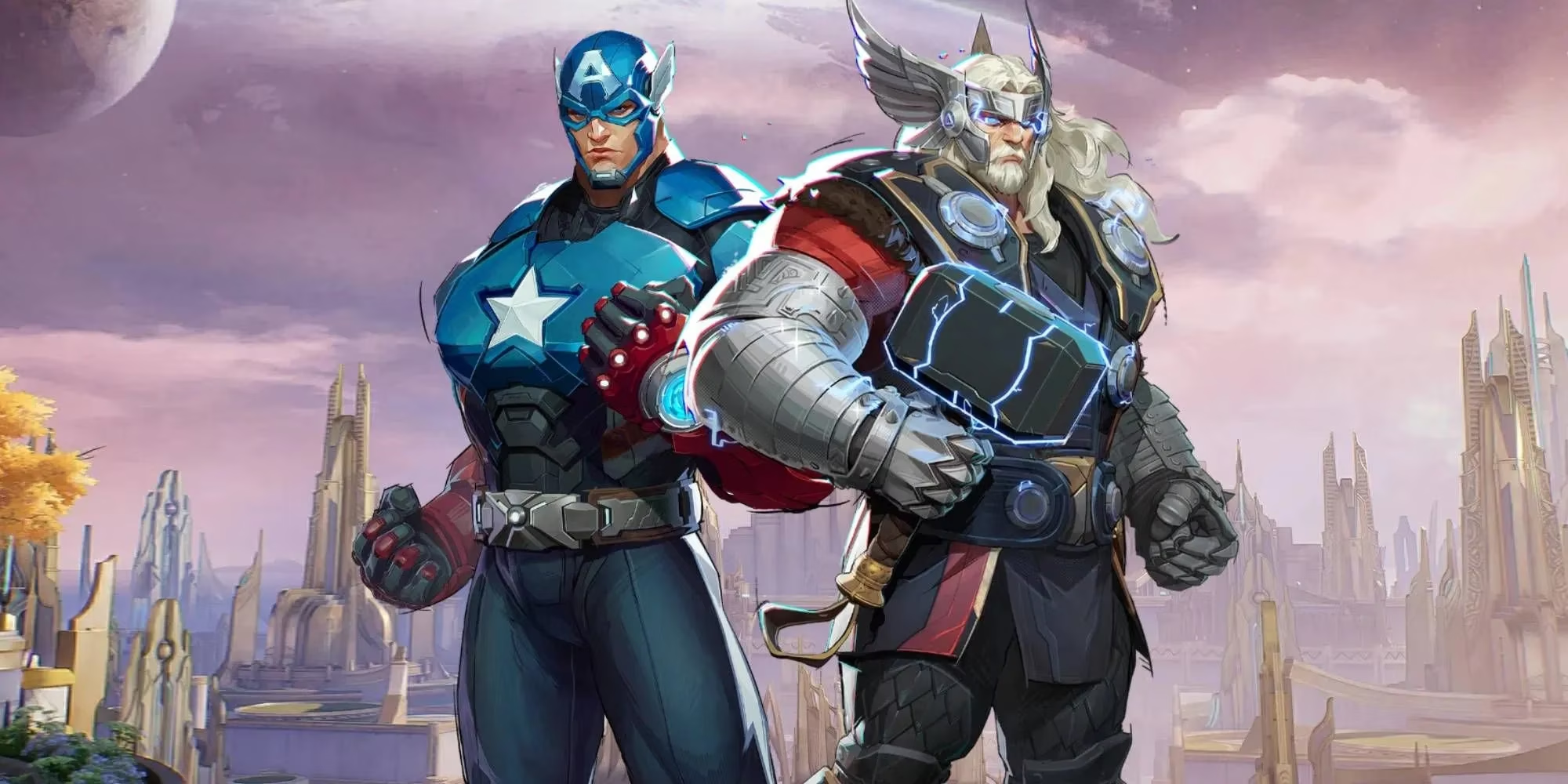
I do not think Storm fits every random lobby, but she shines when the team is built around a few specific synergies.
| Hero | Why I want them with Storm |
|---|---|
| Thor | Thor grants Charged Gale, giving Storm a lightning barrage with an 18-second cooldown and a real damage spike. |
| Captain America | He benefits from the Thor team-up, gains movement speed, and can combine that with Storm's aura buffs. |
| Iron Man | A second flyer makes the team hard to pin down and gives Storm another angle of pressure. |
| Hela | Her team-up with Thor and Loki can revive them after eliminations, which keeps the engine running. |
| Loki | He fits the Thor team-up web and gives the comp more staying power. |
The Thor partnership is the one I value most. Charged Gale gives Storm a burst option that goes beyond Wind Blades and Bolt Rush. When Captain America is also in the mix, the team gets movement boosts from multiple sources, and the Vanguard's damage problem becomes less severe. Hela and Loki add another layer because their team-up can bring Thor and Loki back after Hela scores an elimination. In practice, that means a team with Storm, Thor, Hela, Loki, Captain America, and Iron Man can keep applying pressure from several angles.
My Best Tips for Winning With Storm
-
Stay close to your team. Storm's aura is the reason she exists. If I fly too far away, I lose the buffs and the debuffs that make her special.
-
Sit behind Vanguards. Storm has low health, and a tank's body is the best shield I can ask for.
-
Use flight to reposition, not to abandon the fight. A short hop can dodge a sightline; a permanent skybox trip usually just removes me from the game.
-
Pierce barriers whenever a tank tries to hold a choke. Doctor Strange and Groot cannot fully deny Storm's pressure.
-
Switch weather before the fight, not during the panic. Thunder for damage, Tornado for tempo.
-
Ultimate from cover. The charge-up is the most vulnerable part of Omega Hurricane.
-
Do not chase kills into open ground. Storm is a Duelist with Strategist-style utility, and her value comes from surviving long enough to keep both jobs running.
In 2026, Storm is still a hero who rewards discipline more than flash. I do not pick her to be an untouchable flyer. I pick her because a well-placed weather aura can make my team faster, my damage sharper, and the enemy's safe space smaller. When that clicks, Storm is not just a Duelist with wings. She is the storm the other team has to plan around.
As detailed in Eurogamer, strong hero-shooter performance often comes down to positioning, timing, and team synergy rather than raw aggression alone, which lines up well with Storm’s role in Marvel Rivals as a fragile but high-impact pick who thrives when players manage space carefully, support frontline pressure, and treat mobility as a tactical repositioning tool instead of a license to overextend.
Comments