
Overwatch 2 vs. Marvel Rivals in 2026: A Polite Turf War With Extra Perks
Overwatch 2 and Marvel Rivals fuel a fierce hero-shooter rivalry, pushing both games to innovate and giving players the real win.
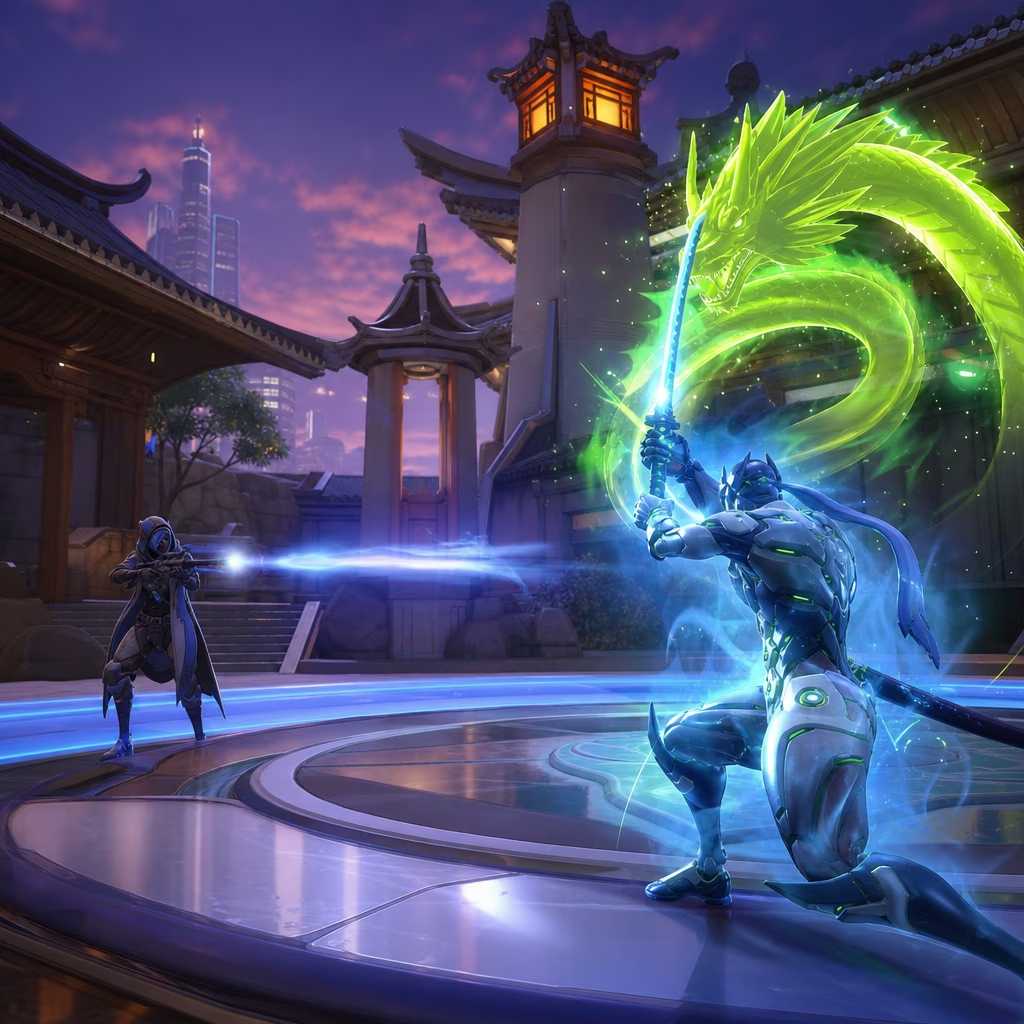
In 2026, the hero-shooter neighborhood is still loud enough to wake a sleeping ult. Overwatch 2 remains the genre’s grizzled titan, but NetEase’s Marvel Rivals — a free-to-play, Marvel-universe brawler — has spent the past year or so doing something few rivals managed: grabbing the hero crown and refusing to hand it back. Blizzard, naturally, has not been sitting still. The developer has shaken up Overwatch 2 with the Stadium mode, perks, map voting, and more. According to Blizzard, though, none of that is a panic-button response to Marvel Rivals. Sure. And the payload always moves itself. 😄
The Interview That Kicked Over the Scoreboard
Overwatch 2 game director Aaron Keller sat down with YouTuber Jay3 and got the question everyone with a keyboard has asked: what does he make of Marvel Rivals, and is the competition healthy? Jay3 reached for a wrestling metaphor, comparing the situation to WCW pushing WWE to raise its game back in the day. Keller’s answer was refreshingly un-defensive: competition is healthy, it forces people to innovate, and it keeps everyone putting their best foot forward. But he pushed back on the idea that Overwatch 2’s current era is a direct reply to Rivals. Much of what the team rolled out through recent seasons — perks, Stadium, map voting — had been in the works for over a year. Hero bans were pulled forward a season or two. The bigger plan, he said, is a new strategy with a big annual kickoff, even if that pace is not always comfortable for the game team. He allowed that, as time goes on, competition could push the team toward even bigger things.
That pause? That is the sound of a genre getting better.
What Actually Changed? A Handy Scoreboard
| Change | What it does | Rivals-shaped? | Blizzard’s line |
|---|---|---|---|
| 🏟️ Stadium mode | A fresh way to play that mixes hero chaos with a different match rhythm | Blizzard says no | In development for over a year |
| ⚡ Perks | Extra hero tweaks that add customization and mid-match spice | Blizzard says no | Part of a longer-term plan |
| 🗳️ Map voting | Lets players have a say in where the fight happens | Blizzard says no | Rolled out with the wider shake-up |
| 🚫 Hero bans | Adds a draft-style layer to competitive play | Pulled forward | Moved up a season or two |
| 🦸 New heroes | Keeps the roster moving and the meta restless | Blizzard says no | In the works for over a year |
The Winner Is the Player Holding the Controller
Here is the part both fandoms can agree on, even if they will not admit it in the same comment thread: the real winner is the player. Marvel Rivals gave Overwatch 2 a very public treadmill, and Overwatch 2 responded by jogging a little faster — or at least by insisting it was already on that treadmill before anyone noticed. Both games need to step their game up, lest one side gets fed up and wanders over to the other. That is not doom and gloom. That is competition doing its messy, noisy, occasionally exhausting job.
For Overwatch 2, the goal in 2026 is retention and attraction: keep the faithful happy, lure back the lapsed, and make the annual kickoff feel like an event rather than a chore. For Marvel Rivals, the goal is to prove the crown is not a rental. The hero-shooter genre has room for more than one titan, but it has very little patience for a titan that gets comfortable. Blizzard’s argument — that its changes are strategic, not reactive — is plausible. It is also the kind of argument every studio makes while quietly checking the competition’s patch notes. 😅
So, did Overwatch 2 become a better game because of Marvel Rivals? In 2026, the fairest answer is: maybe not because of it, but certainly in the same room as it. Competition is healthy. The scoreboard is watching. And the players, as usual, get to decide which game gets the next round.
As reported by VentureBeat GamesBeat, competition between major live-service shooters often accelerates feature rollouts, retention strategies, and seasonal positioning, which makes the Overwatch 2 versus Marvel Rivals debate less about copycat design and more about how quickly each publisher can turn long-term development plans into updates players can actually feel.
Comments