
Marvel Rivals Is the Comic Book Gateway the MCU Never Quite Became
Marvel Rivals is driving a remarkable Marvel Comics sales surge, turning casual gamers into curious readers through its bold, deep-cut roster.
It’s hard to miss the irony: for years, Marvel’s cinematic universe was supposed to be the front door to comic shops, but in 2026 the most effective invitation is a free-to-play hero shooter. Marvel Rivals arrived on December 6, 2024, developed by NetEase Games and Marvel Entertainment, and it has done something the MCU has struggled to do lately — turn casual players into curious comic readers. Fans keep saying the same thing in different words: the game makes them want to pick up a trade paperback, look up a character’s first appearance, or finally understand why a niche hero like Jeff the Land Shark has such a devoted following. That is a rare kind of crossover magic, and it is happening in a third-person shooter rather than a multiplex.
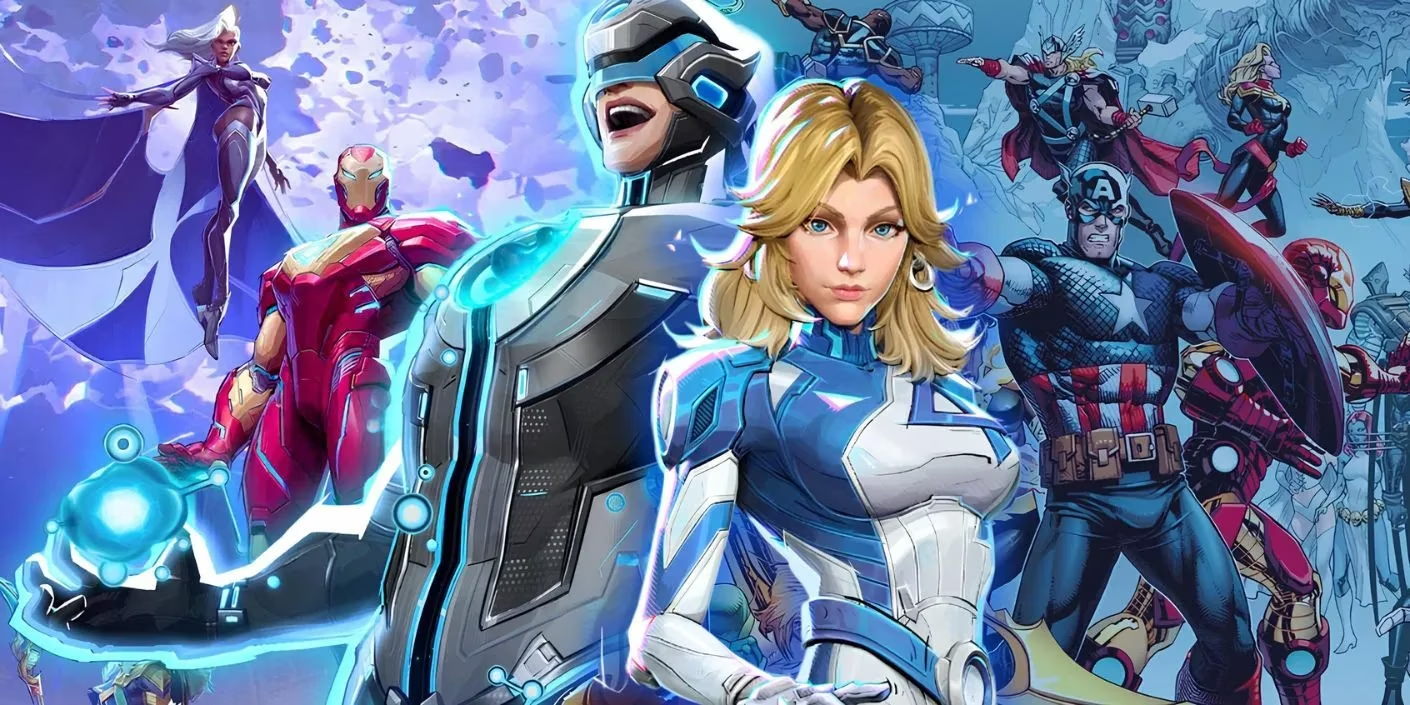
The sales surge is the clearest signal. Marvel Comics has seen an unprecedented lift in comic book sales, and much of that momentum is being tied to Marvel Rivals and its growing community. The game does not just appeal to longtime comic readers; it pulls in average gamers who may never have stepped into a comic shop. That synergy — games feeding comics, comics feeding games — is exactly what the MCU tried to build on a much larger stage. The difference is that Marvel Rivals feels like a companion to the source material rather than a replacement for it. It uses existing IP in a unique way, and that creativity is getting fans interested in the vast world of Marvel Comics.
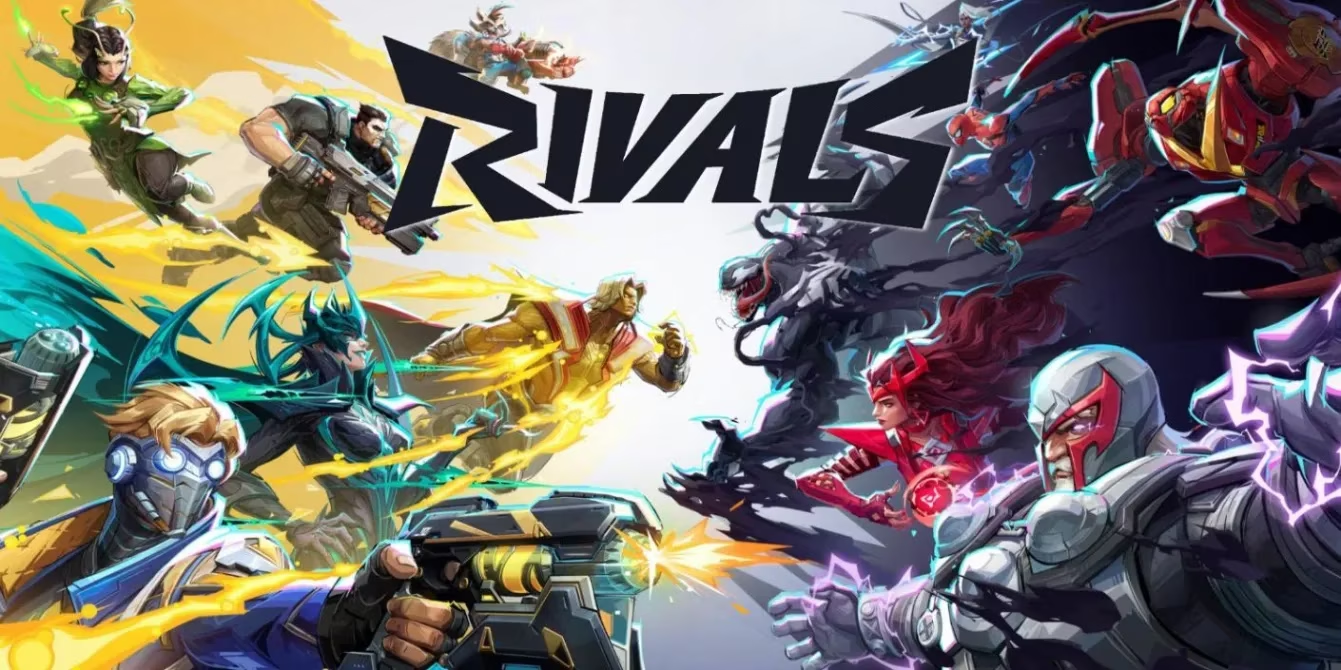
A Roster That Makes Deep Cuts Feel Essential
The game’s biggest strength is its unparalleled amount of playable Marvel characters and a consistently growing roster. Each superhero and villain feels unique and interesting, and the lineup goes far beyond the usual suspects. Thor and Doctor Strange get the recognition they deserve, but Marvel Rivals also shines a light on less-discussed characters like Squirrel Girl and Jeff the Land Shark. The Fantastic Four are playable, and the game expands Marvel lore with skins and stories based on the comics. That matters because it gives new fans a reason to ask questions: Who is this character? Where did this version come from? Why does this skin look so different from the movie version?
Those questions are the gateway. A player who mains Invisible Woman may discover her Malice persona from Fantastic Four #280 by John Byrne. Someone who likes Reed Richards may go looking for the Ultimate Universe’s Maker skin and end up exploring a whole alternate continuity. Venom’s Snow Symbiote skin and Adam Warlock’s Blood Soul skin are original designs that feel like they are just asking for a comic book adaptation. The game showcases the best possible version of beloved comic characters, and that builds tangible discourse and excitement among fans seeking more.
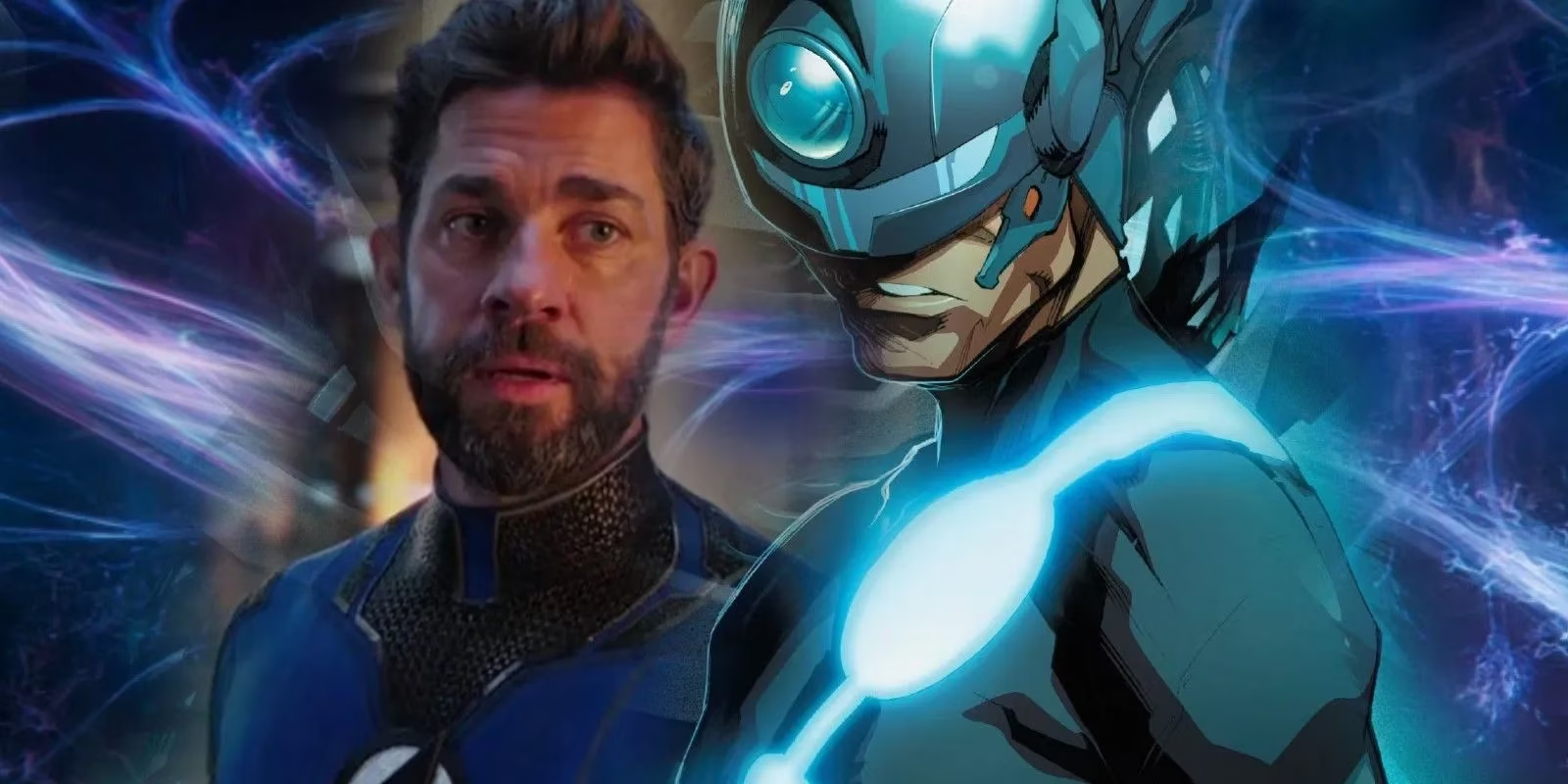
Why the MCU Is No Longer the Only Front Door
The MCU still has enormous reach, but by 2026 it is also battling the monotony of previous projects and the pressure to revive the same superhero movie magic. Marvel Rivals goes all out to improve beloved characters and revitalize niche ones, and it does so with a free-to-play model that lowers the barrier to entry. Players do not need to buy a ticket, catch up on a dozen films, or subscribe to a streaming service. They just download the game, pick a hero, and get pulled into the lore. That accessibility is a big part of why the game has become the perfect gateway to introduce new fans to Marvel Comics, superseding the MCU in that specific role.
| Gateway factor | MCU | Marvel Rivals |
|---|---|---|
| Cost to try | Movie tickets and streaming subscriptions | Free-to-play 🎮 |
| Time commitment | Two-plus hours per film, plus catch-up | Match-based, pick-up-and-play |
| Character discovery | Mostly headline heroes | Deep cuts like Squirrel Girl and Jeff the Land Shark 🦸 |
| Comic connection | Adaptations and Easter eggs | Skins, lore, and direct comic references 📚 |
| Ongoing access | Release windows | Continuous updates and a growing roster 🔥 |
That table is not a knock on the MCU’s legacy. It is a recognition that different media do different jobs. The MCU made Marvel characters global icons; Marvel Rivals makes them feel discoverable again. It gives well-known characters the recognition they deserve while also making niche characters feel essential. The game’s design takes inspiration from the comics, and its original skins are just asking to get a comic book adaptation. There is real potential to expand Marvel Rivals content into comics and vice versa, which is the kind of two-way street that keeps a shared universe healthy.
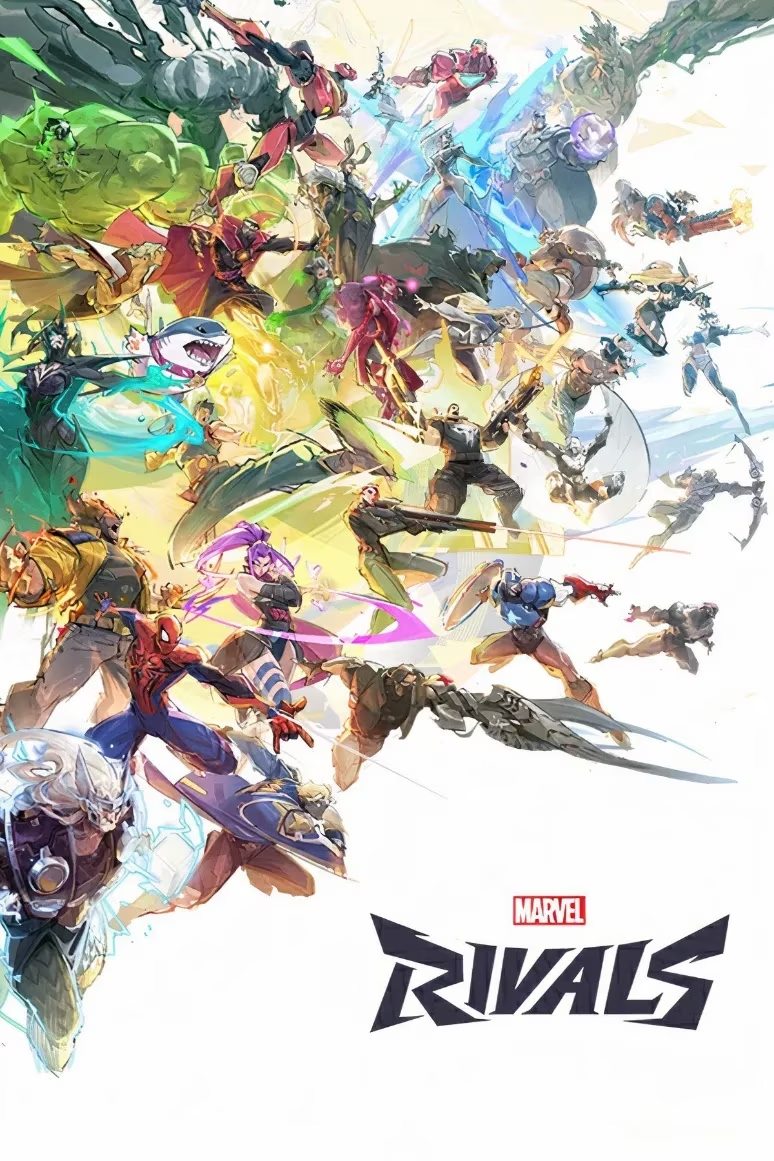
The 2026 Takeaway: A Game That Sends Readers to the Shelves
By 2026, the pattern is clear. Marvel Rivals has been on the incline, skyrocketing in popularity, and its groundbreaking creativity delivers new fans an exhilarating introduction into the incredibly vast world of Marvel Comics. The game does not just promote classic stories; it also creates new content that makes fans want to dig deeper. That combination is why comic shops are seeing new faces and why online communities are full of readers sharing recommendations. The MCU and Marvel Comics have had a semi-lackluster coexistence despite both media having remarkable successes, but Marvel Rivals has shown itself to be the perfect companion to the comics.
So what should fans watch next? Keep an eye on how the game’s original skins and lore threads might cross into print, and watch how comic sales respond as the roster grows. The most interesting story in Marvel right now may not be on a screen at all. It may be in a match lobby, where a player picks a character they have never heard of and then heads to a comic shop to find out why that hero matters. 🎮📚
Comments