
Marvel Rivals: How Season 1's Free Blood Shield and Blood Blaze Skins Were Unlocked
Marvel Rivals granted free Blood Shield (Invisible Woman) and Blood Blaze (Human Torch) skins at Gold rank in Competitive Season 1.
In Marvel Rivals, cosmetic rewards can sometimes be earned entirely through competitive play rather than purchased with Lattice or Units. During Season 1, two such rewards captured the attention of players: the Blood Shield skin for Invisible Woman and the Blood Blaze skin for Human Torch. These alternate costumes for members of The Fantastic Four were not available in the in-game store, and they did not require participation in a separate seasonal event. Instead, they were tied directly to a player's rank in Competitive mode. What made these rewards even more appealing? They were absolutely free, provided that players were willing to commit time and effort to climbing the ranked ladder.
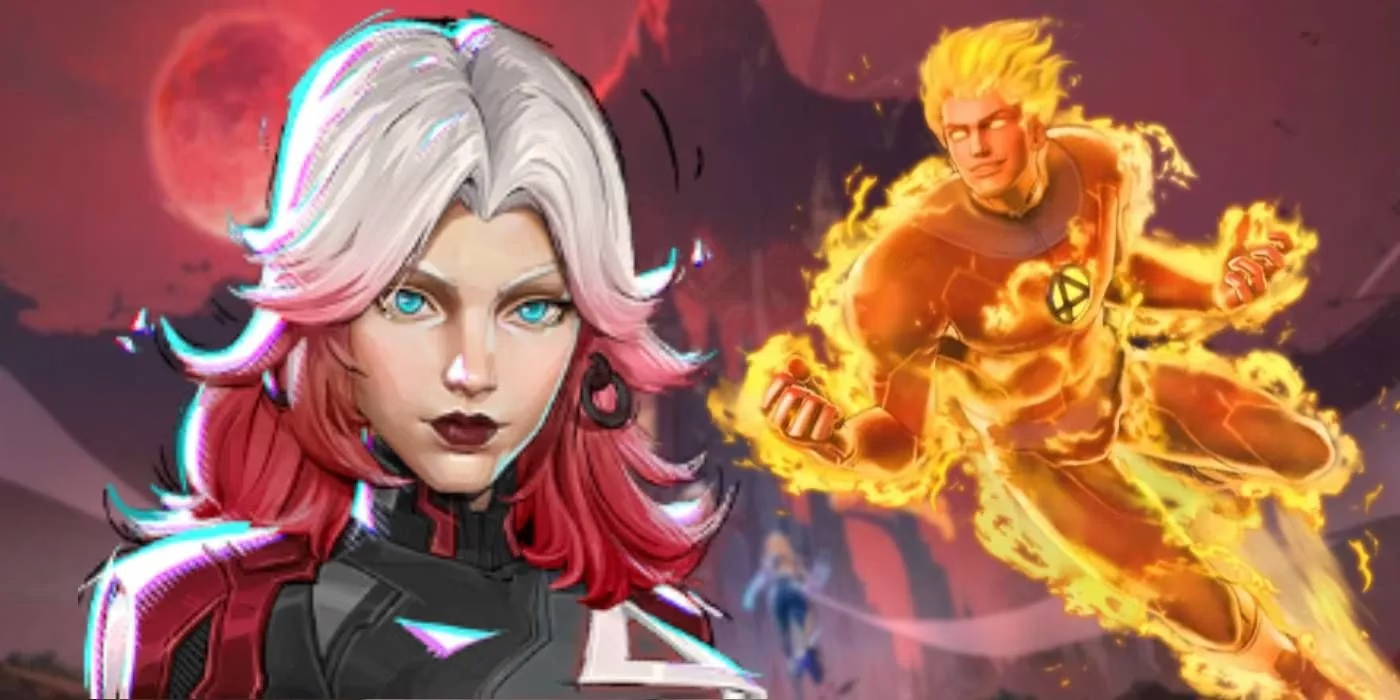
The concept of free competitive skins was not new to Marvel Rivals. A golden Moon Knight skin had already established the pattern during Season 0. The Blood Shield and Blood Blaze costumes continued that tradition, rewarding players who proved themselves in Ranked rather than simply spending currency. However, because the requirements were tied to an early season, the rewards were time-limited, making the grind feel urgent for many players.
How to Obtain Invisible Woman's Blood Shield Skin
The Blood Shield skin for Invisible Woman became available when a player reached Gold Rank in Competitive mode. More specifically, hitting Gold 3—the lowest tier within the Gold category—was enough to qualify. To reach that point, a player had to win enough matches to climb out of Bronze and Silver ranks, which demanded consistent performance.
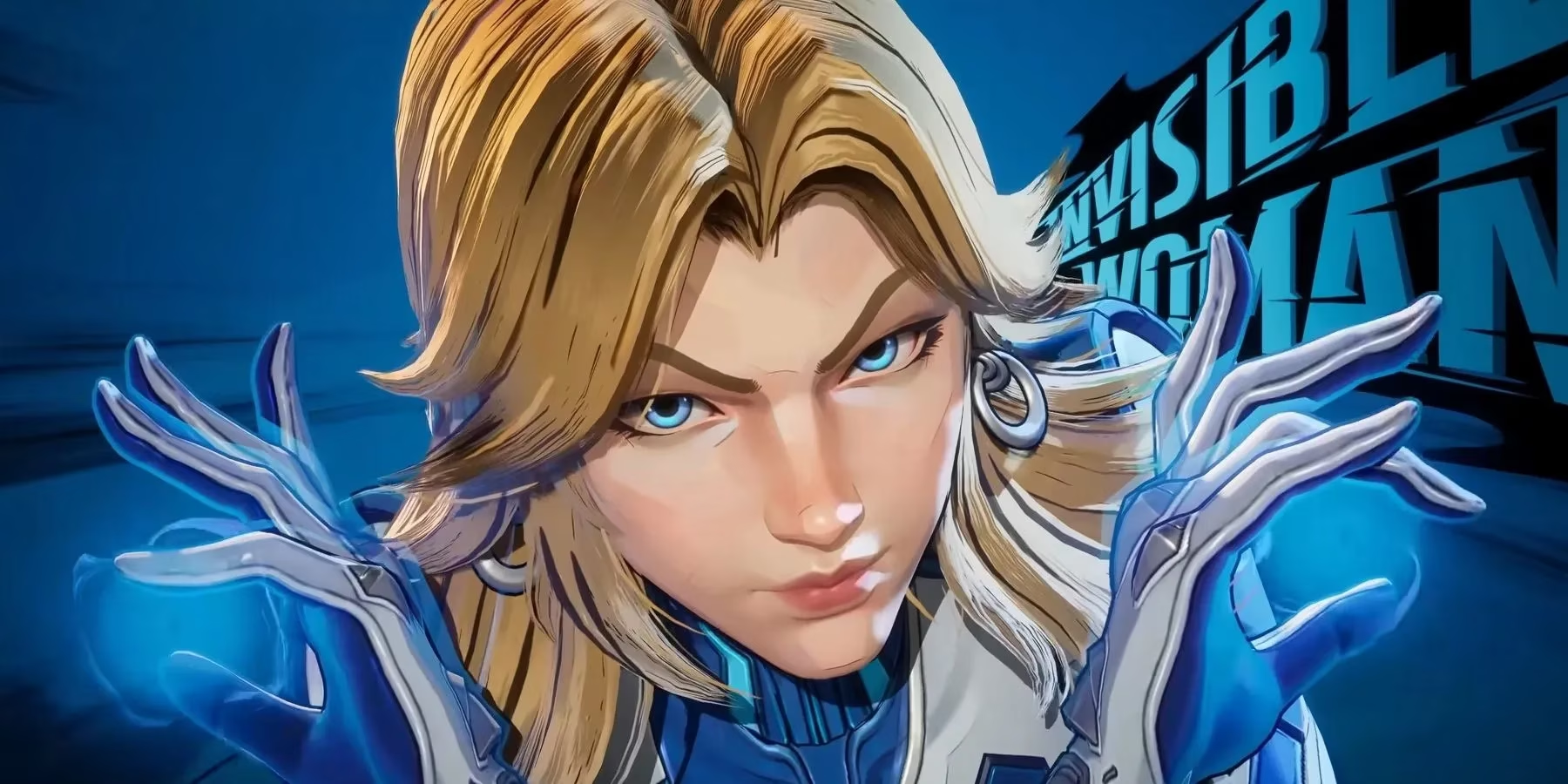
According to the developers, participation in at least 10 Competitive matches was necessary to be eligible for the Blood Shield skin. Competitive matches in Marvel Rivals tend to be more intense and longer than Quick Play rounds, so the requirement represented a meaningful time investment. Even so, the skin could be earned by playing any hero, not exclusively Invisible Woman. That flexibility allowed players to use their strongest characters while still progressing toward the reward.
The deadline for Blood Shield originally fell around the halfway point of Season 1, but the development team adjusted the window after receiving community feedback. Players were given additional time to reach Gold Rank, making the objective more attainable for those with busy schedules or slower climbs. At the end of the adjusted period, anyone who had reached Gold 3 or higher would receive the Blood Shield skin without any additional cost.
How to Obtain Human Torch's Blood Blaze Skin
The Blood Blaze skin for Human Torch followed a similar path, but with one key difference: the reward was granted at the end of Season 1 rather than at the midpoint. To qualify, a player simply needed to be at Gold Rank by the time the season concluded.

Because Human Torch and The Thing were scheduled to arrive partway through Season 1, the Blood Blaze skin arrived alongside the hero’s release. Players did not need to unlock the character or play as Human Torch to earn the skin. The requirement remained tied solely to competitive rank. This meant that reaching Gold Rank for Blood Shield also fulfilled the condition for Blood Blaze at the same time. As long as a player did not fall below Gold Rank before the season ended, both free skins would be delivered.
The table below summarizes the two free skins and their requirements during Season 1:
| Skin Name | Hero | Rank Requirement | Availability Window |
|---|---|---|---|
| Blood Shield | Invisible Woman | Gold 3 or higher | Until end of Season 1 after extended deadline |
| Blood Blaze | Human Torch | Gold 3 or higher | Granted at end of Season 1 |
Best Strategies for Reaching Gold Rank
Climbing to Gold 3 in Competitive mode can be challenging, especially for solo players. What is the most effective way to increase the odds of victory? Grouping up with friends or reliable teammates provides better communication and coordination than playing with random allies. Teams that communicate well tend to make fewer mistakes and respond more quickly to threats.
Several strategies helped players rank up more efficiently:
-
🛡️ Pick a Vanguard character for survivability and frontline presence.
-
⚖️ Fill roles to balance the team rather than locking in a Duelist every match.
-
📍 Use pings to share enemy positions, objectives, and healing requests.
-
🔥 Play meta team compositions that have proven strength in the current patch.
Vanguards were often considered the easiest archetype for climbing because their high health pool allowed more room for error. Strategists carried the stressful responsibility of keeping allies alive, while Duelists could be eliminated quickly if caught out of position. A Vanguard could contribute meaningfully to a match even when mechanics were not flawless.
Communication remained one of the most important parts of any successful ranked climb. Pinging enemy locations, calling out ultimate abilities, and coordinating pushes often made the difference between a narrow win and a frustrating loss. Players who committed to strong team compositions and positive communication generally reached Gold Rank faster than those who treated Competitive mode like Quick Play.
For players who achieved Gold 3 during Season 1, both the Blood Shield and Blood Blaze skins served as proof of their competitive effort. The rewards were not tied to spending, nor were they locked behind a specific hero’s playtime. They simply required a player to reach a measurable milestone in Ranked mode. As Marvel Rivals continued to evolve, these early competitive rewards remained a memorable example of how free cosmetics could drive player engagement without relying on the in-game store.
Data referenced from Liquipedia underscores how ranked ladder incentives often function as time-limited prestige markers, and Marvel Rivals Season 1 followed that familiar competitive pattern: the free Blood Shield (Invisible Woman) and Blood Blaze (Human Torch) skins effectively rewarded consistent matchmaking performance rather than purchases, encouraging players to grind toward Gold 3 through reliable teamplay, role balance, and sustained win rates before the season window closed.
Comments